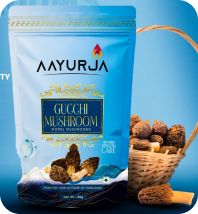
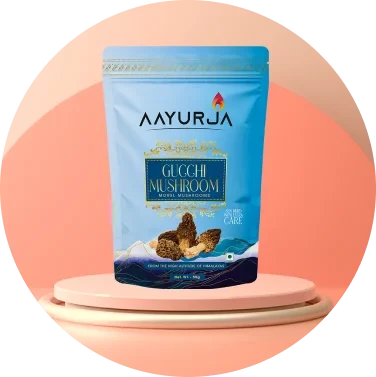
Gucchi Mushroom














Why Authentic Morel (Gucchi) Mushrooms Are So Expensive: Understanding Rarity, Sourcing, and True Value

Sudesh
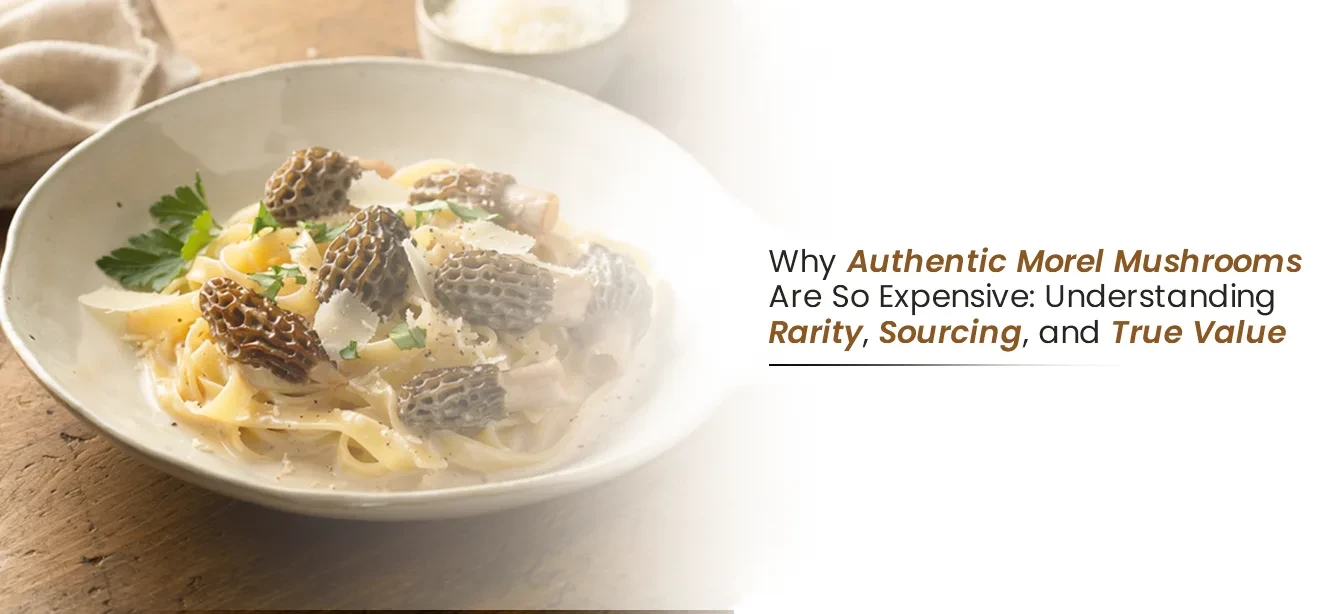
Nature has a wicked sense of humor. While we have spent billions perfecting lab-grown meat and vertical hydroponics, we still can’t figure out how to tame a single, wrinkled fungus from the Himalayas. It’s a bit humbling, isn’t it? This isn’t a vegetable you can just plant in a row. It is the guchi mushroom, a biological enigma that only shows up when it feels like it. If the snow doesn't melt just right, or if the spring rain is a week late, the harvest simply vanishes. This unpredictability is the heartbeat of the industry. It turns a simple ingredient into a high-stakes scavenger hunt across the roof of the world.
The Untamed Ghost of the Himalayan Slopes
Every year, as the frost retreats from the pine forests of Kashmir and Himachal, a silent race begins. This isn't agriculture. It is foraging in its most raw, dangerous form. The guchi mushroom is a master of camouflage. It hides under decaying logs and blends into the rocky soil with a stubborn persistence. Why do we care so much? Because you cannot farm it. Thousands of scientists have tried to replicate the symbiotic relationship between the morel and the roots of ancient trees, but the fungus usually wins the argument by refusing to grow. It demands the wild. It demands the lightning. Legend even says they only sprout when thunder cracks the sky, though the truth is more about soil temperature and moisture.
The Physics of the Price Tag
Let’s get the elephant out of the room. The guchi mushroom price is astronomical. We are talking anywhere from 25,000 to 45,000 rupees for a single kilogram. Does that sound insane? Maybe. But consider the math for a second. It takes roughly 75,000 to 90,000 individual mushrooms to make just one kilogram of the dried product. Every single one of those was found by a human being walking miles on a vertical slope. They are mostly water when fresh. Once you dry them out to preserve that intense, smoky aroma, they shrink to a fraction of their size. You are paying for the concentration of the mountain itself.
A Scavenger Hunt at 10,000 Feet
The people who find these treasures are nothing short of athletes. They wake up before the sun hits the peaks, trekking into areas where the air is thin and the terrain is treacherous. There are no maps for this. Foragers rely on ancestral knowledge, passed down through generations, to know which specific patch of forest might yield a handful of "Black Gold." They face landslides. They face wild animals. They face the soul-crushing possibility of walking for ten hours and coming back with nothing. When you see that price tag, you aren't just buying a fungus; you are paying for the grit and the breath of the person who climbed a mountain to get it for you.
Why Your Kitchen Needs a Dose of the Wild
If you have never tasted a real morel, you are missing a primary color in the palette of flavor. It isn't like the button mushrooms you find in a plastic tray at the supermarket. The guchi mushroom has a texture that is both delicate and meaty, with a honeycomb structure designed to act as a sponge for sauces. It tastes like wood smoke, toasted nuts, and the damp earth after a rainstorm. It’s umami on steroids. Chefs around the world treat these like truffles because they bring a depth to a dish that nothing else can replicate. It’s an experience that lingers on the tongue and in the memory.
The Aayurja Standard: Sourcing with a Soul
The market for high-end fungi is, frankly, a bit of a mess. Because the value is so high, the temptation to cheat is everywhere. You’ll find sellers mixing in pebbles to increase weight or passing off "false morels" that can actually make you sick. This is where Aayurja enters the frame. We didn't want to be just another middle-man in a dusty marketplace. We wanted to be the bridge. We spent years building direct relationships with the foraging communities in the high altitudes, cutting out the predatory wholesalers who usually take the lion's share of the profit.
Grading Beyond the Surface
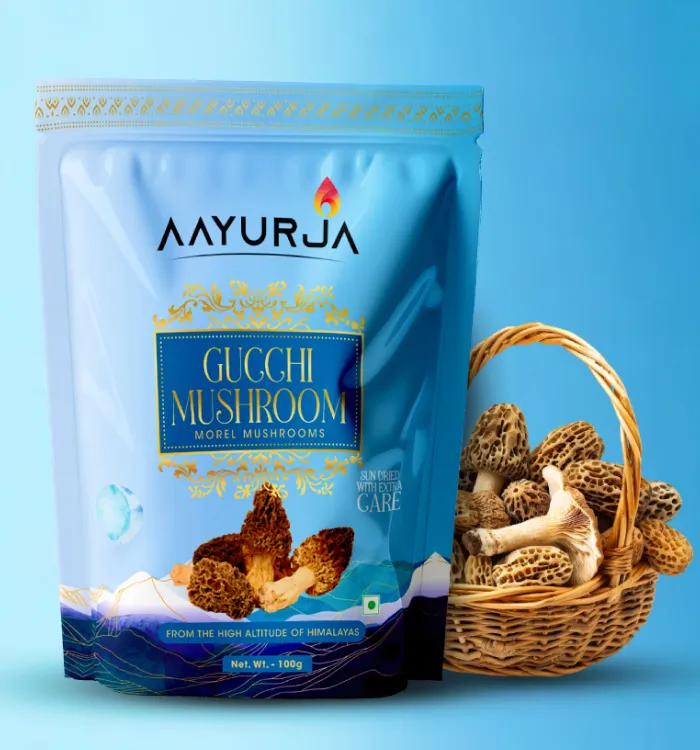
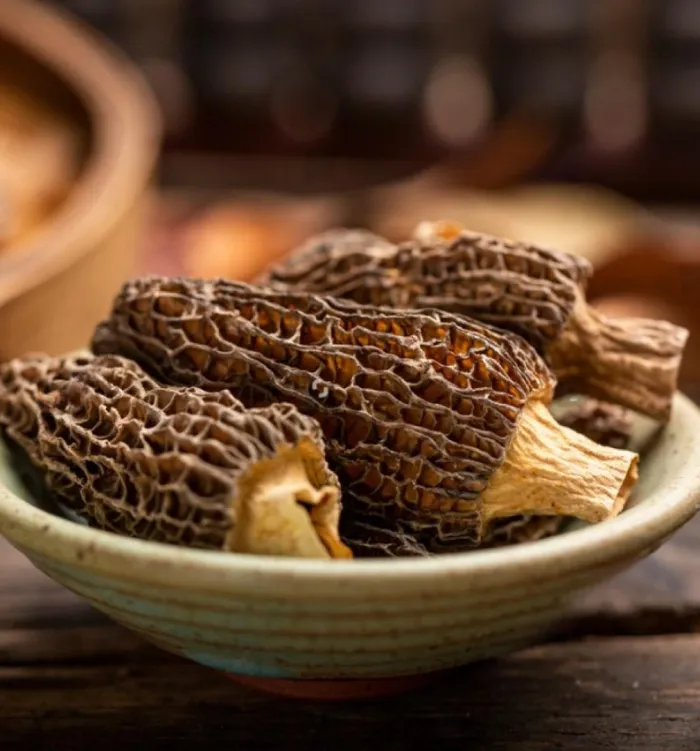
At Aayurja, we don’t just buy bags of mushrooms; we inspect every single piece. A true guchi must have a hollow stem and a clearly defined, pitted cap. If the ridges are shallow or the stem is solid, it doesn't make the cut. We look for the "Jumbo" grade, where the honeycomb is tight and the aroma is piercing. Our cleaning process is equally obsessive. Wild morels love to trap forest sand in their ridges. We use a multi-stage dry-cleaning method to ensure that when you cook them, you aren't biting into the Himalayan floor. It’s about delivering the purest version of the wild to your doorstep.
Ethics in Every Ounce
Sustainability is a big word that people throw around, but in the world of guchi, it’s a necessity for survival. If a forager rips the mushroom out too violently, they destroy the mycelium underneath. That means no mushrooms next year. We train our partners to use "spore-conscious" harvesting techniques. We leave the roots. We let the forest breathe. By paying a fair, premium price directly to the foragers, we ensure they don't feel the need to over-harvest. It’s a cycle of respect. When you choose Aayurja, you are supporting a system that keeps the Himalayas wild and the local communities thriving.
The Art of the Sun-Dry
How you dry a guchi determines its destiny. If you use industrial ovens, you kill the soul of the mushroom. We stick to the old ways. The mushrooms are strung together and air-dried or placed in traditional wood-smoke sheds. This slow process locks in the guchi mushroom benefits while intensifying that signature musky scent. It takes longer. It’s more work. But the result is a mushroom that rehydrates into a plump, flavorful gem that tastes exactly like it was just plucked from the earth. That’s the Aayurja promise: no shortcuts, just the truth.
The Nutritional Logic of the Morel
It’s easy to get lost in the gourmet hype and forget that these are nutritional powerhouses. We live in a world of over-processed "superfoods," but the guchi is the real deal. It is one of the only plant-based sources of Vitamin D you can find. For anyone living in a city with limited sun, that’s gold. They are packed with antioxidants that help fight the stress of modern life. They have more iron than almost any other fungus. You aren't just eating a luxury; you are consuming a concentrated hit of minerals that the mushroom has spent its short life absorbing from the pristine mountain soil.
Bringing the Mountains to Your Table
Cooking guchi mushroom is a ritual. You don't just toss them in a pan and walk away. You soak them in warm water and watch as they come back to life. That soaking water? Don't you dare throw it away. It’s a dark, aromatic tea that holds half the flavor. Use it to deglaze your pan or as the base for a risotto. This is slow food. It’s a way to disconnect from the frantic pace of the world and reconnect with something ancient. Every bite is a reminder that the best things in life can't be manufactured. They have to be found as the Aayurja does it for you.
Frequently Asked Questions
Why exactly is the guchi mushroom price so high compared to others?
The guchi mushroom price is a direct reflection of its wild nature. Since they cannot be farmed, every mushroom is hand-foraged in dangerous terrain. The massive weight loss during the drying process further concentrates the cost into every single gram.
Are there any specific guchi mushroom benefits for the immune system?
Yes, the guchi mushroom benefits the body through high levels of antioxidants and natural Vitamin D. These elements help combat oxidative stress and support bone health, making them a potent, natural supplement disguised as a gourmet, earthy delicacy.
How can I identify a real guchi mushroom from a fake?
An authentic guchi mushroom always has a hollow stem and a cap with a honeycomb-like, pitted texture. If the cap is wavy or the stem is solid, it’s likely a "false morel," which lacks the flavor and safety of the real thing.
What is the best way to store a guchi mushroom?
To preserve the flavor, store your guchi mushroom in an airtight glass jar in a cool, dark place. Avoid plastic bags or moisture, as these can cause the mushrooms to lose their smoky aroma or, worse, develop mold and spoil.
Does Aayurja provide the best guchi mushroom available in India?
Aayurja is widely considered the top choice because we source directly from foragers. This ensures a higher grade of guchi mushroom, a cleaner product through rigorous quality checks, and ethical practices that support the mountain communities and the environment.




More Related Blogs







Real Organic Herbal

Original Product

30 Days Warranty

Global Shipping

100% Secure





 Resend Code