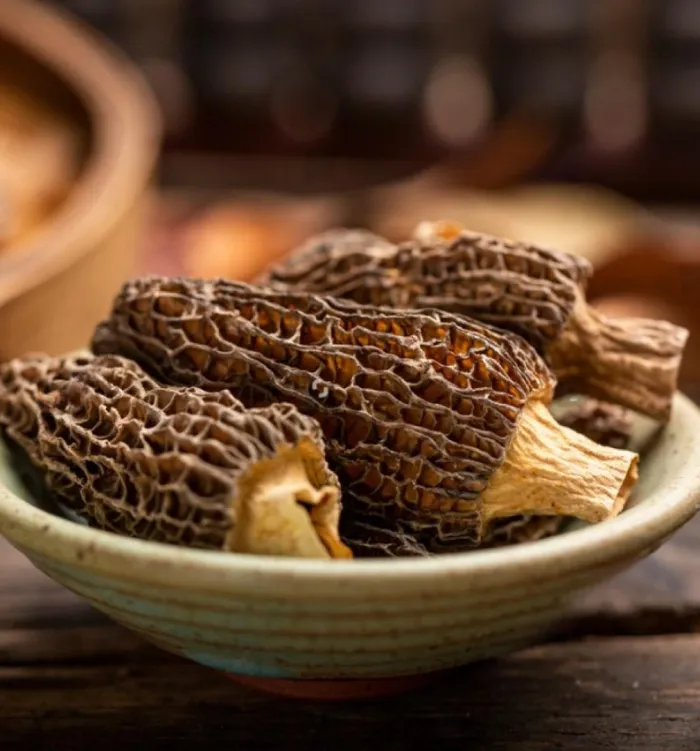
Gucchi Mushroom













Gut Health in 2026: Why Ancient Ingredients Like Kutki Are Making a Comeback

Sudesh

Every few years, wellness reinvents itself.
One season, it is green juices. Then, collagen powders flood social media. Suddenly, everyone is obsessed with fermented drinks sitting in aesthetic glass jars beside yoga mats and sunrise playlists.
But here is the strange part.
The more modern wellness becomes, the more people seem drawn toward ancient ingredients again.
Especially in 2026.
Consumers are reading labels more carefully now. They are questioning artificial additives, overcomplicated formulas, and wellness products that sound like chemistry projects. Instead, many are turning toward slower traditions. Familiar roots. Ingredients that their grandparents actually recognized.
One herb quietly stepping back into the spotlight is Kutki.
Not trendy in the flashy sense. Not loud. Not aggressively marketed.
Just timeless.
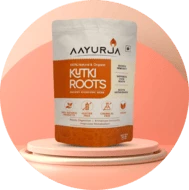
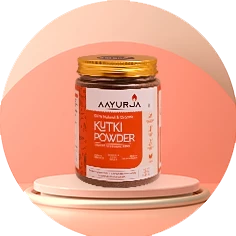
For centuries, Kutki has existed in Ayurvedic traditions as part of mindful wellness practices. Today, organic kutki powder is finding its way into modern kitchens, herbal wellness routines, and conversations around conscious living. And honestly, the comeback feels overdue.
Why Gut Health Became Everyone’s Wellness Obsession
A few years ago, gut health felt like niche wellness jargon. Now? It is everywhere.
People discuss digestion the way they once discussed skincare or fitness routines. Office conversations casually include probiotics. Grocery carts suddenly contain kombucha, fiber blends, and herbal powders nobody touched five years ago.
Why the shift?
Because wellness itself has changed.
Consumers are no longer chasing overnight transformations. They are becoming more interested in routines that feel sustainable, calming, and realistic. According to the Global Wellness Institute, the global wellness economy continues expanding rapidly, with digestive wellness emerging as one of the strongest consumer interest categories in recent years.
That says a lot.
People want to feel balanced, not overwhelmed by twenty-step wellness routines they cannot maintain past Tuesday morning.
And this is exactly where traditional herbs like Kutki begin making sense again.
So, What Exactly Is Kutki?
Kutki, scientifically known as Picrorhiza kurroa, is a small Himalayan herb traditionally used in Ayurvedic practices for generations. It grows in the colder Himalayan regions and has long been valued for its naturally bitter profile and traditional wellness relevance.
Bitter herbs are fascinating.
Most modern diets moved away from bitterness years ago because processed foods trained people to prefer sweeter, saltier flavors. But now wellness communities are rediscovering botanical bitterness again. Slowly. Curiously.
Kutki sits right in the middle of that movement.
Its earthy nature, traditional heritage, and minimal processing appeal strongly to modern consumers looking for authenticity over hype.
Especially when sourced as organic kutki powder.
That word matters now. Organic.
People care deeply about how ingredients are cultivated, harvested, and processed. They want transparency. Traceability. Something that feels connected to the earth instead of a factory pipeline.
The Wellness Industry Is Falling Back in Love With Ancient Ingredients
There is something almost ironic happening right now.
The future of wellness suddenly looks very old.
Ancient herbs are appearing in modern packaging, premium cafés, wellness boutiques, and curated morning rituals. Ayurveda-inspired ingredients are becoming part of contemporary lifestyles without losing their traditional identity.
And honestly, consumers seem relieved by it.
After years of ultra-synthetic wellness trends, people are craving simplicity again.
According to insights from the National Center for Complementary and Integrative Health, interest in traditional wellness systems and botanical ingredients has continued growing globally, especially among younger adults seeking holistic lifestyle approaches.
Not because people expect miracles.
Because they want a connection.
Connection to food. To rituals. To a slower living. To traditions that existed long before wellness became an industry.
Kutki naturally belongs in that conversation.
Benefits of Kutki Powder That People Appreciate Today
Let us keep this honest.
Modern consumers are smarter now. They are skeptical of exaggerated claims, dramatic promises, and miracle marketing. That is actually a good thing.
When people discuss the benefits of kutki powder today, the conversation is usually centered around traditional wellness heritage and mindful lifestyle routines rather than unrealistic expectations.
Some of the reasons consumers appreciate Kutki include:
It carries a deep Ayurvedic Heritage
There is comfort in ingredients that have survived generations of use and cultural relevance. Kutki is not a passing internet trend invented last year. Its historical presence in Ayurveda gives people a sense of familiarity and trust.
Bitter Botanicals Are Returning
Wellness trends are rediscovering herbs with naturally bitter profiles because they encourage slower, more intentional eating experiences. Kutki fits perfectly into this broader movement toward mindful consumption.
People Want Simpler Ingredient Lists
Consumers are exhausted by products filled with unrecognizable additives. Organic kutki powder feels refreshingly straightforward, especially for people prioritizing clean-label wellness choices.
Rituals Feel More Important Than Ever
A warm herbal drink prepared slowly in the morning feels different from swallowing random supplements while rushing through traffic. Tiny wellness rituals are becoming emotionally meaningful again.
And honestly? That shift feels healthy.
Kutki Powder Benefits and the Rise of Preventive Wellness
People are approaching wellness differently now.
Instead of waiting until exhaustion hits full force, consumers are trying to build supportive habits earlier. Better sleep routines. More mindful eating. Less chaos. More consistency.
This broader shift explains why conversations around kutki powder benefits are becoming more common across wellness communities.
Consumers are gravitating toward ingredients that feel:
- Traditional
- Plant-based
- Rooted in heritage
- Minimally processed
- Compatible with balanced lifestyles
There is also an emotional layer to all this.
Ancient ingredients remind people that wellness did not begin on social media. Long before apps, trends, or influencers existed, cultures already understood the importance of food rituals, seasonal living, and botanical wisdom.
That perspective feels grounded in a world constantly demanding speed.
How Organic Kutki Powder Fits Into Modern Routines
Nobody wants complicated wellness anymore.
People are tired. Busy. Distracted.
The modern consumer wants routines that feel realistic enough to continue beyond a single motivational phase. That is one reason organic kutki powder is fitting naturally into today’s wellness culture.
Some people blend it into herbal drinks. Others include it in Ayurvedic-inspired routines or pair it with ingredients like tulsi, ginger, or amla.
Simple habits matter more now.
Tiny moments of pause. Quiet rituals before work. A slower morning instead of immediate chaos.
That is where herbs like Kutki feel surprisingly relevant.
Not dramatic. Just steady.
Why This Ancient Herb Feels So Relevant in 2026
Funny thing about wellness trends. They often travel in circles.
For years, the industry celebrated futuristic solutions and aggressively marketed formulas. Now, consumers are leaning toward ingredients connected to nature, culture, and simplicity.
Kutki reflects that perfectly.
It represents:
- The return of Ayurveda-inspired living
- Interest in organic wellness ingredients
- A preference for slower self-care habits
- Curiosity about traditional botanicals
- A move away from overprocessed wellness products
And maybe that explains why ancient herbs never truly disappear.
They wait.
Then people rediscover them exactly when modern life starts feeling too artificial.
Why Aayurja Believes Traditional Wellness Still Matters
At Aayurja, wellness is approached with respect for both tradition and modern living. Consumers today are not just buying products. They are choosing philosophies, routines, and ingredient stories they genuinely connect with.
Organic kutki powder represents that beautifully.
It feels grounded. Honest. Timeless.
No unnecessary noise. No exaggerated claims. Just an ancient herb finding relevance again in a world searching for balance.
And honestly, maybe that is the future of wellness.
No more complexity.
More connection.
FAQs
Why is organic kutki powder becoming popular again?
Organic kutki powder is becoming popular because consumers are moving toward traditional, plant-based wellness ingredients with authentic Ayurvedic roots. People today value clean-label products, mindful routines, and ingredients that feel natural, simple, and culturally connected rather than heavily processed or artificially marketed.
What are the commonly discussed benefits of kutki powder?
The benefits of kutki powder are often associated with traditional Ayurvedic wellness practices and mindful lifestyle routines. Consumers appreciate its historical relevance, botanical nature, and compatibility with modern wellness habits focused on balance, intentional living, and simpler ingredient choices.
How do people include kutki powder benefits in daily wellness habits?
Many people explore kutki powder benefits by adding it to herbal drinks, wellness blends, and Ayurveda-inspired morning routines. Its earthy profile and versatility make it appealing for consumers building sustainable rituals centered around calm, balance, and conscious wellness practices.
Why do consumers prefer organic kutki powder today?
Consumers prefer organic kutki powder because they increasingly value transparency, clean sourcing, and minimally processed ingredients. Organic products align with the growing preference for wellness choices that feel authentic, traceable, and closely connected to traditional herbal lifestyles and mindful consumption habits.
Why are the benefits of kutki powder trending in wellness conversations?
The benefits of kutki powder are trending because wellness culture is embracing ancient herbs with strong traditional heritage and modern relevance. Consumers are prioritizing preventive wellness, slower living, and plant-based ingredients that support balanced routines and meaningful self-care rituals.




More Related Blogs







Real Organic Herbal

Original Product

30 Days Warranty

Global Shipping

100% Secure





 Resend Code