Gucchi Mushroom
















The Truth About Pure Ghee Price: Why 1kg Can Range from ₹600 to ₹3000

Admin

Ghee is much more than just a cooking fat in India. It is part of our food culture, our festivals, and our kitchens. But if you have ever tried to buy cow ghee online, you might have been shocked at how different the price of 1kg can be. Some brands sell it for around ₹600 per kilogram. Others price it as high as ₹3000 per kilogram or even more. Why such a big range? This blog is written to help you understand the real reasons behind this wide pricing gap. We will explain the basics in simple language and then share how you can choose quality ghee you can trust, especially if you are looking for pure organic ghee or A2 cow ghee.
Understanding What Ghee Is
Ghee is clarified butter. It is made by heating butter or churned cream until all water and milk solids are removed, leaving pure golden fat behind. Good quality ghee should have at least 99.5 percent milk fat, and very low moisture content, according to the food standards set by the Food Safety and Standards Authority of India (FSSAI).
But not all products sold as “ghee” are the same. Some are regular, mass-produced ghee. Others are traditional or artisan-made with special milk and method choices that raise the cost.
What Drives the Price Difference
1. Milk Source Matters
The main ingredient in ghee is milk. Some brands use milk from ordinary dairy cows or a blend. Others use milk only from indigenous Indian cow breeds like Gir, Sahiwal, or Tharparkar, known for producing A2 milk. A2 milk comes from native breeds and contains a specific type of protein called A2 beta-casein.
When you want A2 cow ghee, the milk cost is higher because these cows usually give less milk, and their feed and care cost more. This increases production costs and, ultimately, the pure ghee price 1kg.
2. Production Method
Many low-priced ghee products are made by industrial processes using cream separated from milk in machines. But traditional ghee, especially bilona method ghee, is made differently. In the bilona method, curd is churned by hand with a wooden tool called a bilona. The butter is separated from the curd and then slow-cooked to produce ghee. This process takes more time and effort.
Because bilona ghee is labor-intensive and made in small batches, its cost is naturally higher. That is why pure organic ghee made with the bilona method often costs more than ghee made quickly in factories.
3. Quality and Testing
Quality isn’t just about how ghee tastes. It is also about purity. In the Indian market, there are many cases of adulterated ghee products mixed with cheaper vegetable fats, oils, vanaspati, or other substances to reduce cost. Government food safety officers repeatedly seize adulterated ghee from unlicensed units, showing how real this issue can be in the supply chain.
Brands that follow standards, test their products in labs, and show quality marks like FSSAI licensing or Agmark (a quality standard) incur additional costs, which are reflected in a higher price tag.
4. Packaging and Distribution
Premium ghee often comes in glass jars rather than plastic containers, and some businesses invest more in clean, safe packaging. Shipping ghee requires care because it can melt in high temperatures. These logistical costs affect the final pure ghee price 1kg for the consumer.
5. Market Demand and Positioning
The Indian ghee market is growing rapidly. In 2024, it reached an estimated size of over ₹3,400 billion and continues on a steady growth path as demand rises for both regular and premium ghee.
Many brands position their products as premium or organic, and price them accordingly. This is why two products that look similar could be priced very differently when you choose to buy cow ghee online.
What Price Means What Quality
Here is a simple way to think about pricing ranges:
₹600–₹900 per kg
- Usually mass-produced ghee.
- May be made from commercial dairy milk or cream.
- Often sold by large brands with high volume.
- Good for everyday cooking.
₹900–₹1800 per kg
- Often comes from better quality milk or controlled production.
- May include some premium ghee products.
- Suitable when you want better aroma, taste, and quality.
₹1800–₹3000+ per kg
- Often, authentic A2 cow ghee is made with the bilona method.
- Made from milk of indigenous Indian breeds.
- Small-batch, traditional process.
- Higher cost reflects real milk and manual production effort.
It is important to understand that just a higher price does not automatically mean purity. But extremely low prices should make you cautious because pure ghee takes real raw milk and real work to make.
Why Buying Ghee Online Makes Sense
When you buy cow ghee online, you have more control. You can read ingredient details. You can check how the brand describes the milk source, whether the product is FSSAI-approved, and the production method. You can compare pure organic ghee brands and choose what fits your needs.
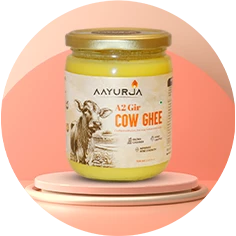
Aayurja offers A2 cow ghee made with care and transparent sourcing. When buying online from a trusted source, you reduce the risk of unknowingly picking a less pure or adulterated product. A good brand will also provide clear information about how its ghee is made and where it comes from.
How to Spot Better Quality Ghee
Here are some simple tips when you read labels or compare products:
- Check the milk source: Brands that specify indigenous cow breeds are more transparent.
- Look for quality marks: FSSAI license and other quality certifications help ensure safety and standards compliance.
- Know the method: Traditional terms like “bilona method” indicate a classic preparation process.
- Read packaging details: Packaging that mentions fat content (at least 99.5 percent milk fat) and moisture limits helps distinguish real ghee.
Final Thoughts
The pure ghee price 1kg can range widely because of real differences in milk cost, production method, quality assurance, and brand positioning. When you choose to buy cow ghee online, look for transparency and quality rather than just the lowest price.
If you want authentic A2 cow ghee made with the traditional bilona method and clear quality standards, explore options from Aayurja’s collection. You get traceable quality and the confidence that comes from informed buying.
Frequently Asked Questions
1. Why is A2 cow ghee more expensive than regular ghee?
A2 cow ghee is made from milk of native cow breeds that produce only A2 protein. This milk is more expensive, and when combined with traditional production methods, it raises the price.
2. What is bilona ghee and why does it cost more?
Bilona ghee is made by hand-churning curd with a traditional wooden tool. This process takes more time and labor and tends to produce less ghee per unit of milk, so the cost is higher.
3. Can ghee sold at ₹600 be pure?
It can be pure but may be mass-produced using industrial processes and standard milk. Very low prices should prompt careful checking of quality marks and labelling because pure ghee production is not cheap.
4. What standards should I look for when buying ghee?
Check if the label mentions FSSAI approval, the milk source, fat percentage (should be high), and clear packaging details.
5. Is organic ghee always better than regular ghee?
Organic ghee usually means the milk came from cows raised on organic feed without chemicals. This can be a quality indicator, but always verify other details like production method and certification.





More Related Blogs







Real Organic Herbal

Original Product

30 Days Warranty

Global Shipping

100% Secure





 Resend Code