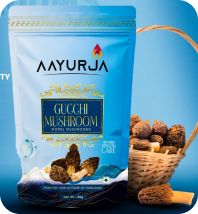
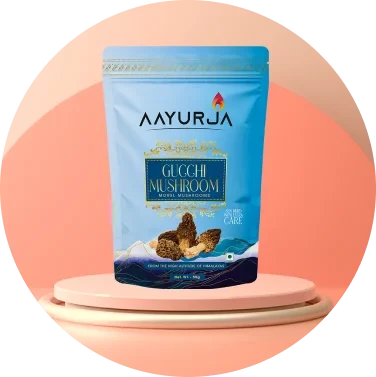
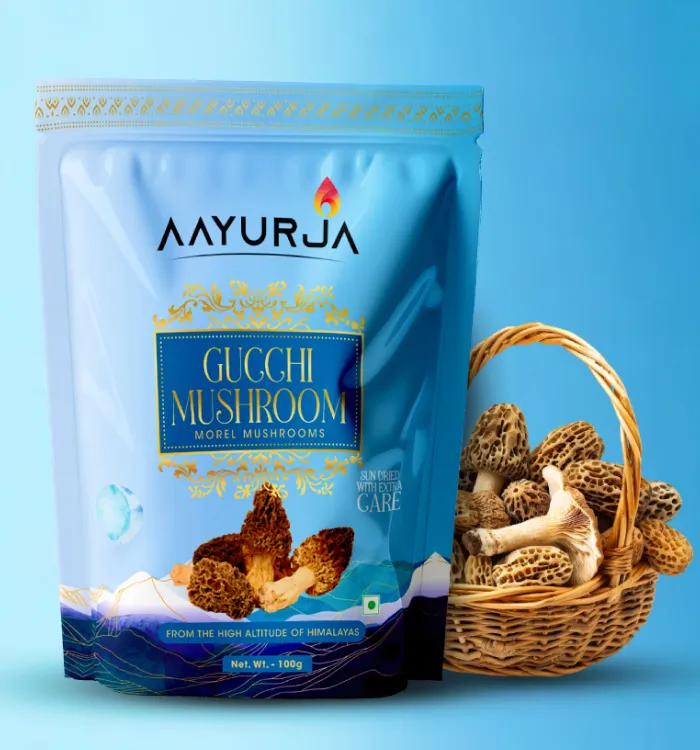
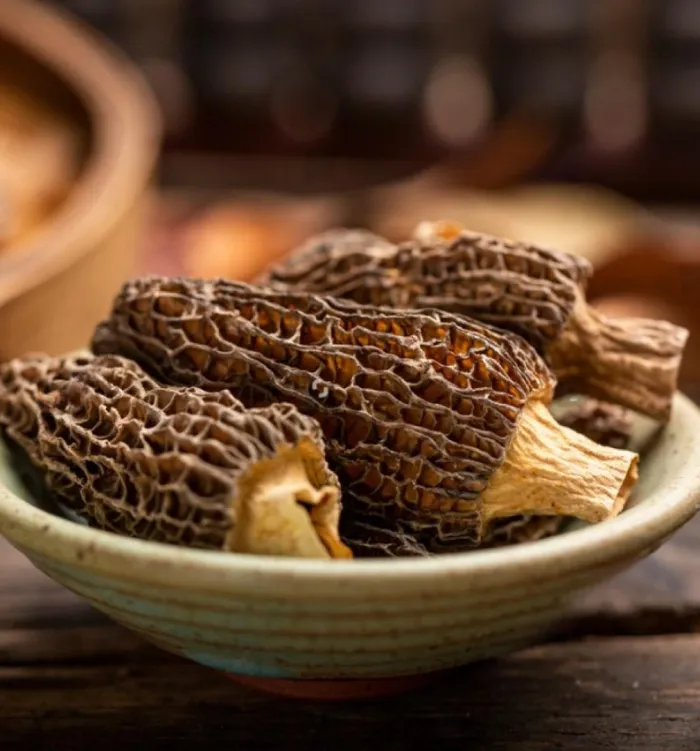
Gucchi Mushroom



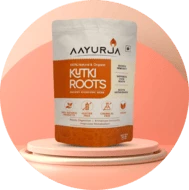













Kutki for Modern Lifestyles: Why Ayurveda Values This Bitter Herb

Sudesh
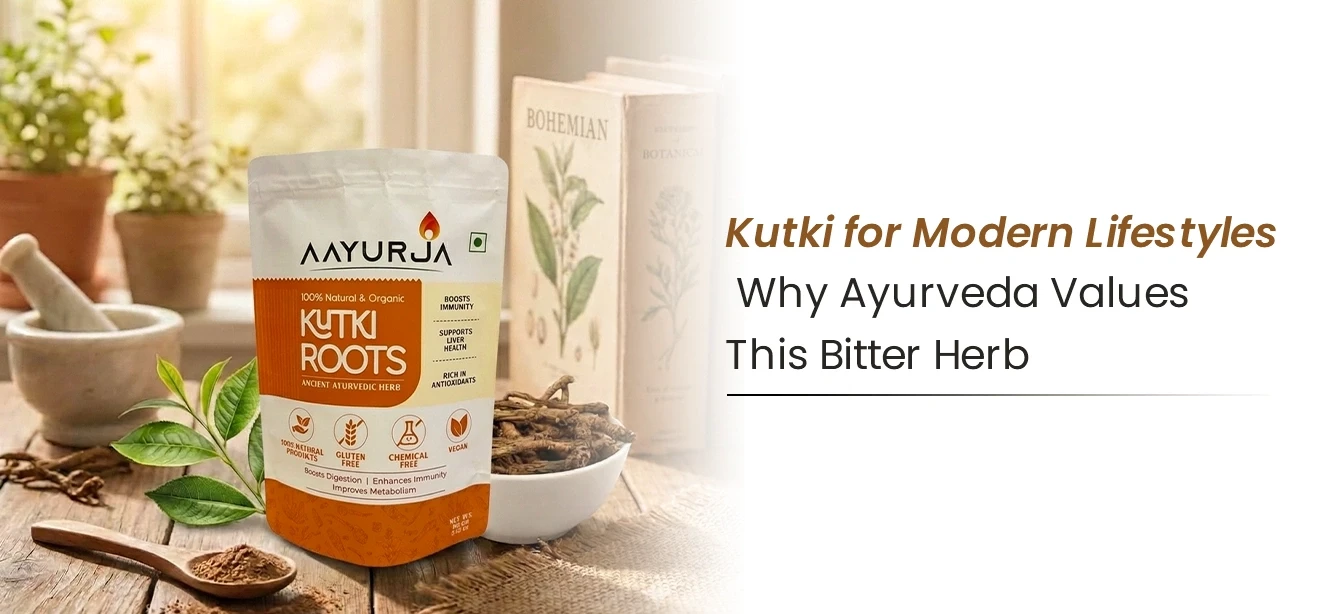
Some herbs arrive softly, almost politely. Then there is Kutki. Bitter. unapologetic. memorable. In a wellness culture obsessed with sweet shortcuts, that sharp, grounded identity feels oddly refreshing. Maybe that is exactly why this Himalayan herb still earns attention today. Not because it is trendy, and honestly, not because it tries to be. It matters because traditional systems kept it in view for a very long time, and modern consumers are becoming more curious about ingredients with heritage, traceability, and substance. That curiosity of kutki powder benefits is not small either. A 2024 PIB release, citing a 2021 RIS report, estimated the Indian Ayush industry's size in 2020-21 at $18.1 billion, underscoring the scale of renewed interest in classical botanical knowledge.
Kutki, botanically known as Picrorhiza kurroa, is a perennial herb associated with the Himalayan belt. Kew identifies its native range as stretching from northeastern Pakistan to the western Himalaya, where it grows in subalpine or subarctic conditions. That origin matters. It tells you this is not a casual backyard herb with a vague story attached to it. It has a real geography, a real botanical identity, and a very specific ecological home.
Why Ayurveda Still Pays Attention to Kutki
Ayurveda tends to value plants not just for popularity, but for pattern, profile, and long cultural memory. Kutki fits that frame beautifully. Scholarly reviews note that it is referenced in major classical Ayurvedic treatises and has been traditionally used for centuries, with the root and rhizome being the most valued parts. That little detail is worth pausing over. Tradition here is not abstract. It is specific. It is plant-part specific. It is preparation specific. That precision is part of what makes Ayurveda feel less like folklore and more like a disciplined knowledge tradition.
Bitter Taste, Strong Character, No Need for Disguise
Let’s be honest, bitterness is not an easy sell in the age of gummies and candy-coated everything. Still, Ayurveda has never been afraid of bitter herbs, and Health Canada's official monograph explicitly describes kutki in traditional Ayurvedic terms as a bitter tonic. There is something almost philosophical about that. Bitter plants ask for attention. They slow you down. They remind you that not every meaningful ritual has to be instantly pleasurable. Some herbs are dramatic. Kutki is different. It is austere, almost minimalist, and that restraint feels very modern.
When people search for kutki powder benefits, what they are often really searching for is context. What is this herb? Why is it respected? Why has it stayed relevant? The answer is not hype. The answer is continuity. Kutki stands out because traditional systems kept returning to it, regulators still identify it carefully, and modern botanical conversations increasingly value heritage-backed ingredients over noisy miracle language. Frankly, that is a healthier direction for wellness content in general.
What Makes Kutki Feel Surprisingly Modern
Modern life is crowded. Notifications, processed food, algorithmic advice, too many tabs open, too many half-finished habits. In that chaos, people often gravitate toward simple, recognizable ingredients with old roots and clear stories. Kutki fits that mood almost perfectly. It is not flashy. It is not ornamental. It does not arrive wrapped in pseudo-science and glitter. It arrives with botanical identity, traditional references, and a striking sensory profile that basically says, “I am here. Pay attention.” For a lot of mindful consumers, that honesty is appealing.
There is another reason the herb belongs in modern conversations: standards now matter more than ever. The Pharmacopoeia Commission for Indian Medicine & Homoeopathy publishes official pharmacopoeial standards for Ayurveda, and its current publication listing shows 665 monographs for single drugs and 224 for formulations under Ayurvedic Pharmacopoeia publications. That kind of formal standard-setting helps shift herbs away from vague folklore marketing and toward better identity, purity, and quality conversations. Good. It is about time.
From Himalayan Herb to Conscious Shelf Choice
This is where the conversation gets serious. Kutki is not just valued. It is also vulnerable. Reviews describe Picrorhiza kurroa as endangered due to overharvesting, and Health Canada notes that the species is listed under CITES Appendix II, which means international trade requires care and oversight. So no, sourcing is not a boring back-label detail here. It is central to the herb’s story. If a brand talks about kutki without talking about responsible sourcing, something important is missing.
That is why the phrase organic kutki powder matters beyond aesthetics. Organic language, when used responsibly and truthfully, signals a wider expectation around clean cultivation, traceability, and respect for ecological systems. It is not a magic stamp. It is a starting point. At Aayurja, that distinction matters. We do not think an herb becomes meaningful because it is fashionable. We think it becomes meaningful when quality, authenticity, and stewardship show up together.
Why Quality Talk Matters More Than Big Claims
A lot of wellness writing gets carried away. Suddenly, every herb is “ancient,” “miraculous,” and “life-changing.” That kind of copy may grab attention for five seconds, but it erodes trust. Kutki deserves better language. Official sources consistently identify the herb by its botanical name, specify the root and rhizome as the source material, and place it within formal quality frameworks. That gives brands a better way to communicate. Less drama. More clarity. Less claim-heavy noise. More education.
So, when people ask about the benefits of kutki powder, the smartest answer is not a list of exaggerated promises. It is a conversation about tradition, ingredient identity, sensory experience, sourcing ethics, and formulation transparency. That may sound less glamorous, but honestly, it sounds far more credible. In 2026, credibility is attractive. Maybe the most attractive thing.
How Aayurja Can Speak About Kutki Without Overstepping
Aayurja’s strongest voice here is an informed, grounded one. Talk about kutki as a classical Ayurvedic herb. Talk about its bitter profile. Talk about Himalayan origin, careful sourcing, and quality standards. Talk about why people increasingly look for simple herbal routines in a crowded world. What you do not need is exaggerated wellness theatre. The official ecosystem around Ayush quality, pharmacopoeial standards, and regulated monographs already gives the story enough weight. Quiet confidence works better anyway.
Bringing Kutki Into a Modern Herbal Mindset
There is a nice irony here. A bitter herb from the mountains feels especially relevant in an era addicted to convenience. Why? Because it invites intention. People exploring herbal living today are not only shopping for products. They are curating rituals, reading labels, asking where ingredients come from, and paying attention to how a plant is presented. That is the sweet spot for thoughtful kutki storytelling. Not urgency. Not fear. Not medical overreach. Just education with texture.
And maybe those are the kutki powder benefits and the real charm of kutki. It is not trying to be everything. It is simply itself, bitter, disciplined, rooted in tradition, and worthy of respect. In a culture full of overstatement, that feels rare. Maybe even luxurious.
FAQs
1. What should readers know about kutki powder benefits?
Kutki powder benefits are best understood through tradition, identity, and sourcing rather than exaggerated promises. It is a classical Ayurvedic herb valued for its bitter profile, Himalayan origin, and long-standing presence in botanical literature, which gives it cultural depth and ingredient credibility.
2. Why do buyers look specifically for organic kutki powder?
Organic kutki powder attracts buyers who care about cultivation quality, cleaner sourcing language, and ingredient transparency. Since kutki has conservation concerns, shoppers often want reassurance that a brand respects traceability, responsible standards, and a more thoughtful relationship with medicinal plants.
3. How should brands explain the benefits of kutki powder responsibly?
The benefits of kutki powder should be framed in educational language, not miracle-speak. Stronger brand communication focuses on classical Ayurvedic relevance, botanical authenticity, bitter taste identity, and careful sourcing, helping customers understand the herb without crossing into irresponsible medical claims.
4. Is there a clean way to discuss kutki powder benefits in content marketing?
Yes. The cleanest way to discuss kutki powder benefits is to anchor the story in tradition, quality standards, and sustainable sourcing. Readers respond well when brands sound informed and calm, especially with herbs that already carry heritage and botanical seriousness.
5. What makes organic kutki powder feel relevant to modern lifestyles?
Organic kutki powder feels relevant because modern consumers increasingly want fewer ingredients, clearer sourcing, and heritage-led wellness choices. Kutki brings a striking, bitter character to that conversation, offering something distinctive for people who value intention over flashy, sugar-coated trends.




More Related Blogs







Real Organic Herbal

Original Product

30 Days Warranty

Global Shipping

100% Secure





 Resend Code